
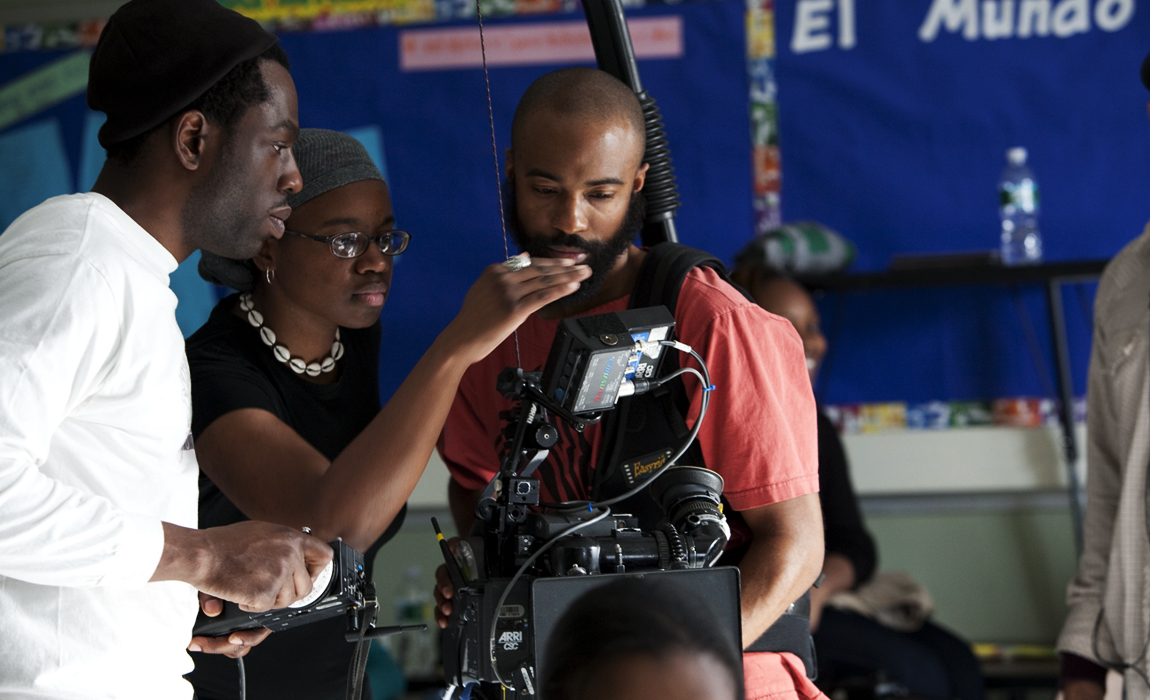
RIO DE JANEIRO — In the dimly lit screening rooms of Rio’s Encontro de Cinema Negro, the air is thick with more than just humid Atlantic heat. There is a sense of historical correction. As a young Senegalese director shakes hands with a Brazilian producer from Salvador, the conversation isn’t just about lighting or frame rates; it is about a “Transatlantic Bridge” that is rapidly becoming the most exciting frontier in independent cinema.
For decades, the path for a young African filmmaker was a narrow, one-way street leading to the prestige of Paris or Berlin. But in 2026, the map has been redrawn. From the bustling hubs of Lagos to the artistic enclaves of Brazil, a new global circuit has emerged—one that values the “African New Wave” not as a niche curiosity, but as a dominant creative force.
The Continental Powerhouses: Reclaiming the Narrative
While the prestigious FESPACO prepares for its biennial return in 2027, the 2026 calendar remains packed with opportunities for the continent’s emerging auteurs. The focus this year has shifted toward “micro-budget” mastery and digital innovation.
- The Durban International Film Festival (July 2026): Long considered the “Cannes of Africa,” Durban remains the essential stop for those seeking the Durban FilmMart—the continent’s premier co-production market. For a young director with a script and a dream, this is where the money is found.
- AFRIFF (Lagos, November 2026): In the heart of the world’s most prolific film industry, the Africa International Film Festival has become the definitive bridge between Nollywood’s commercial muscle and global streaming giants.
- Luxor African Film Festival (March 2026): Set against the backdrop of ancient Egypt, Luxor offers a specialized “Youth Competition” that has become a kingmaker for first-time directors from the Maghreb and Sub-Saharan Africa alike.
The Brazilian Connection: A Mirror Across the Water
Perhaps the most significant trend of the 2020s is the growing synergy between African cinema and Brazil. With the world’s largest Afro-descendant population outside of Africa, Brazil has become a vital “second home” for African stories.
“There is a visual language we share,” says an attendee at the Rio de Janeiro International Short Film Festival (Curta Cinema), which runs from March 25 to April 1, 2026. This festival is particularly crucial: it is an Oscar-qualifying event. A win in Rio can lead directly to a seat at the Academy Awards in Los Angeles.
Later in the year, the Encontro de Cinema Negro Zózimo Bulbul (October/November) serves as a spiritual and professional hub. It is less of a marketplace and more of a laboratory, where “South-South” collaborations are born, bypassing the traditional gatekeepers of the Global North.
The Global Gatekeepers: The Prestige Circuit
Despite the rise of new hubs, the “Big Three” remain the ultimate markers of “arrival” for a young filmmaker. In 2026, these festivals have doubled down on their “World Cinema” initiatives.
- 1 Sundance (Jan 22 – Feb 1, 2026): The premiere destination for independent voices. Their “Global Filmmaking Award” is specifically designed to support directors in developing nations.
- 2 Berlinale (Feb 12 – 22, 2026): Through the Berlinale Talents program, 200 emerging creators are given access to a world-class mentorship network.
- 3 Cannes (May 12 – 23, 2026): While the red carpet grabs the headlines, the Pavillon Afriques at the Marché du Film is where the real business of distribution happens.
A Guide for the Emerging Auteur: The 2026 Strategy
For the filmmaker sitting in a café in Nairobi or a studio in Luanda, the strategy for 2026 should be one of “Aggressive Authenticity.” The global market is no longer looking for “African versions” of Hollywood tropes; it is looking for the specific, the local, and the experimental.
Festival
Visit the Afro-Circuit website for a complete list of all festivals.
As the 2026 season unfolds, the message is clear: the “African New Wave” is no longer coming—it is here. And for the young filmmaker with a lens and a vision, the world has never been more ready to watch.